Policy & Protection
Ensuring recognition of Manoomin's importance among non-Indigenous communities and institutions, upholding Treaty rights, and working with governments at every level to protect Manoomin habitats.
Protecting Manoomin Through Law & Relationship
Policy and protection work recognizes that Manoomin cannot thrive without a legal and governance landscape that respects their importance — and the rights of the Anishinaabe people who have cared for them for generations.
MWRI's policy work focuses on building recognition of Manoomin's cultural, spiritual, and ecological value among institutions and governments that have historically overlooked or undermined it. This means advocating for stronger legal protections, working with land managers to improve practices on public lands, and ensuring that Tribal Treaty rights are respected in permitting and management decisions.
Policy change is slow. MWRI approaches this work with patience and persistence — building relationships with state and federal agencies, demonstrating through monitoring data what Manoomin need, and advocating for the legal changes that will make long-term restoration possible.
Public Act 247: Michigan's Official Native Grain
In November 2023, after years of Anishinaabe advocacy, the State of Michigan designated Manoomin as the official native grain of Michigan — the first such designation for any U.S. state.
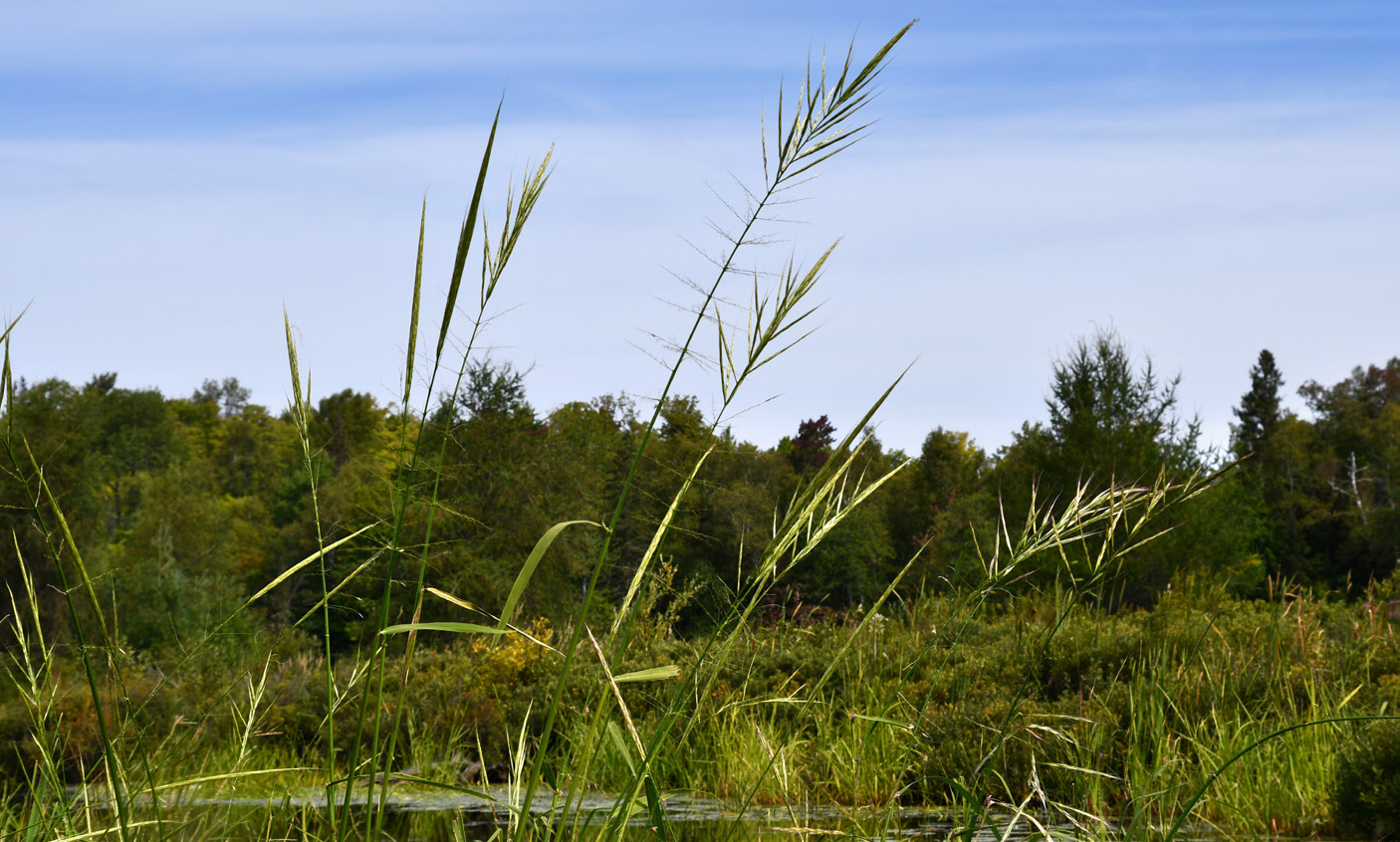
Public Act 247 recognizes both Zizania palustris and Z. aquatica as two forms of the same cultural being — Manoomin. By recognizing both forms, the state balances Anishinaabe and Western ways of knowing.
While this legislation does not carry direct regulatory authority, it is a significant step in increasing awareness about Manoomin among the general public and state government agencies. Growing recognition and support by the state provides momentum for the stronger protections and actions called for in the Stewardship Guide.
This milestone was achieved in part through MWRI's advocacy alongside the Anishinaabek Caucus and the broader Manoomin community across Michigan.
"Federal, State and local governments with relevant regulatory authority respect Treaty rights, recognize Tribal authorities, and collaborate with appropriate Tribal authorities when reviewing permits."
What We Are Working Toward
These goals guide MWRI's policy and protection subcommittee. Full objectives are in Guide 2: MWRI Goals & Objectives.
Recognition Among Institutions
Ensure the recognition of the importance of Manoomin among non-Indigenous communities and institutions.
Respect for Treaty Rights in Permitting
Federal, State, and local governments with relevant regulatory authority respect Treaty rights, recognize Tribal authorities, and collaborate with appropriate Tribal authorities when reviewing permits — upholding Tribal decisions and avoiding any attempts to override them.
Maximized Harvest Access
Maximize harvest access to Manoomin beds on public and private bottomlands for Tribal members exercising Treaty rights.
Informed Conservation Officers
State employees who have policing authority fully understand Treaty usufruct rights, are sensitive to the cultural importance of Manoomin, and are knowledgeable about appropriate harvesting practices.
Collaborative Harvest Framework on State & Federal Lands
Tribal government and state agency personnel develop a collaborative approach to Manoomin harvest on state and federal lands — including how and when rice beds will be declared open to harvest, how non-Tribal harvesters will be licensed, and specifications for harvest equipment.
Land Use, Funding & Governance
Tribal governments work with local and regional management organizations to influence land use management policy; work with local, state, and federal institutions to secure consistent funding for Manoomin activities; and concrete illustrations of governance and collaboration dynamics across the landscape to support stronger inter-Tribal and agency collaboration.
See Guide 2: MWRI Goals & Objectives for the full list of objectives.
Understanding the Legal Foundation
All of MWRI's policy work is grounded in an understanding of Treaty rights — the legal bedrock that protects Anishinaabe access to Manoomin.
The State of Michigan is composed of land ceded through several Treaties with Anishinaabe nations. In exchange for ceding control over territory, the respective nation retained certain rights — including the right to hunt, fish, and gather in ceded areas.
It is important to understand: the United States did not grant rights through Treaties. Rather, the Treaties recognize that Anishinaabe nations are sovereign, inherently possessing and retaining their rights. The language varies from Treaty to Treaty, with each providing different conditions or limitations.
Because Treaties are in equal standing to federal law, all Treaties are above the laws and interests of the state governments. The State of Michigan must regulate its agencies and private residents to ensure they do not interfere with Tribal members as they exercise their Treaty rights.
Two significant court cases — Lac Courte Oreilles Band v. State of Wisconsin (1983) and State of Minnesota v. Mille Lacs Band (1999) — have upheld that Tribes retain rights to hunt, fish, and gather in ceded territory, demonstrating progress in the federal and state governments acknowledging and understanding Treaty rights.
Key Treaties Covering Michigan
- Greenville Treaty, 1795
- Detroit Treaty, 1807
- Foot of the Rapids Treaty, 1817
- Saginaw Treaty, 1819
- Sault Ste. Marie, 1820
- Chicago Treaty, 1821
- Carey Mission, 1828
- Chicago Treaty, 1833
- Washington Treaty, 1836
- Cedar Point Treaty, 1836
- La Pointe Treaty, 1842
Source: Central Michigan University, Clarke Historical Library