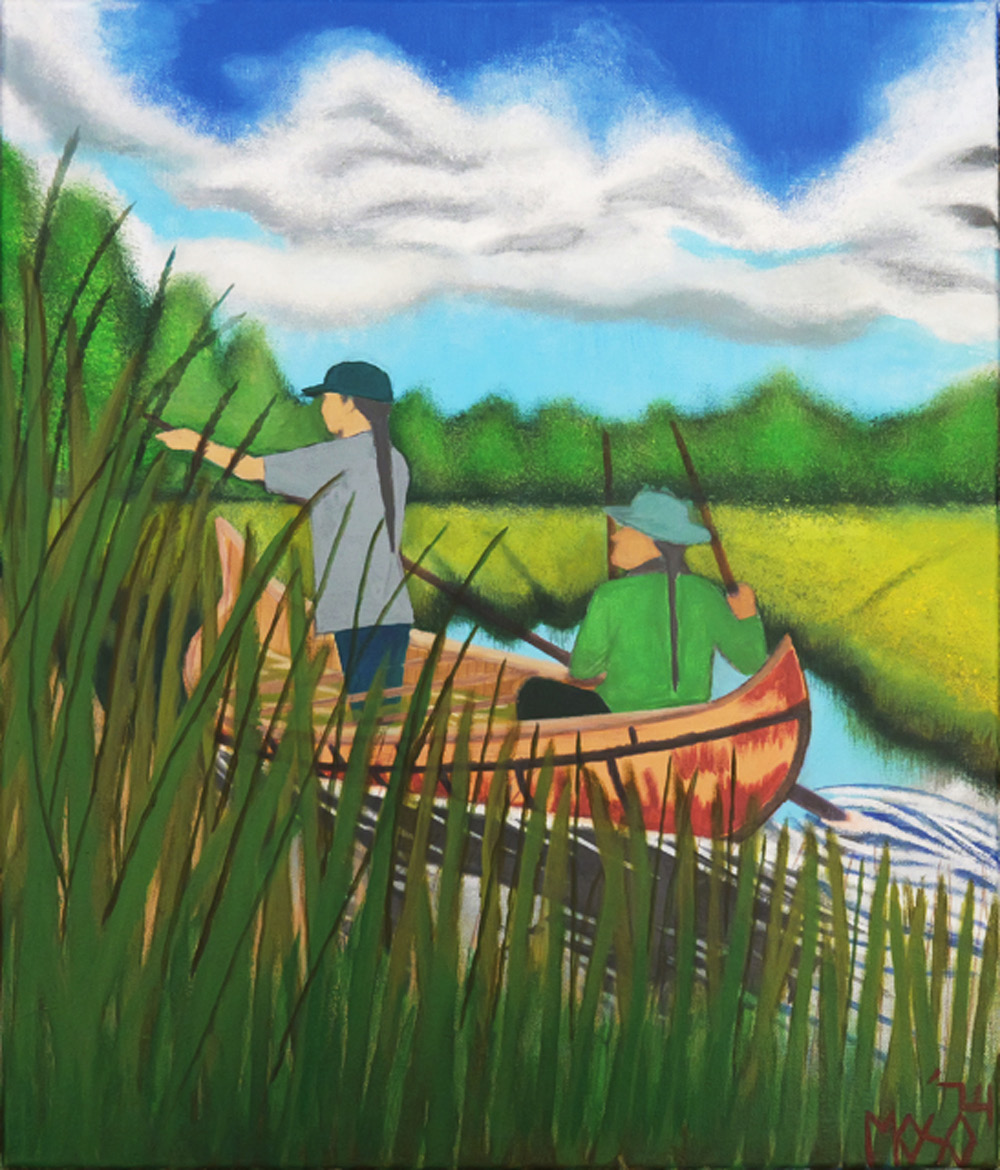
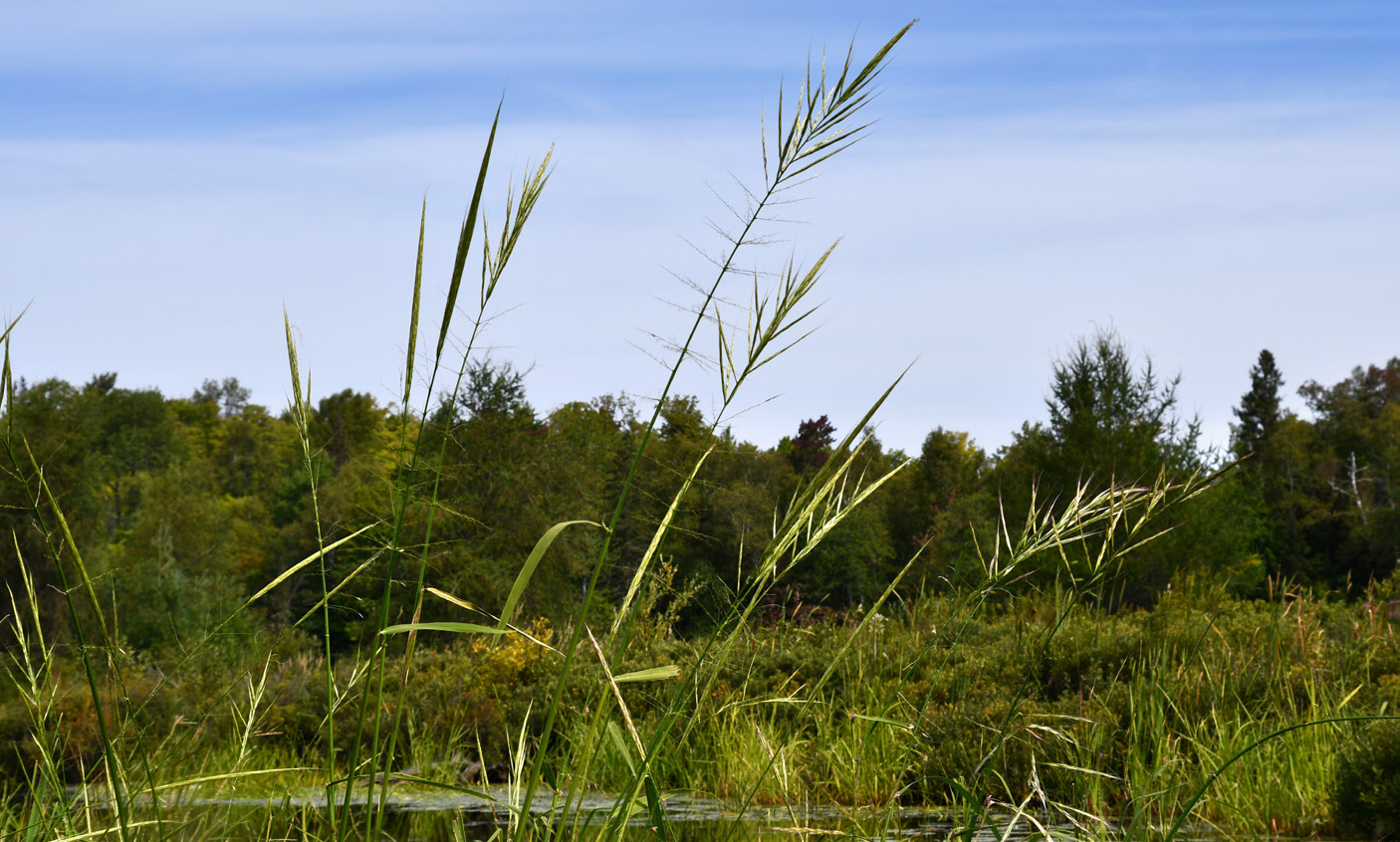
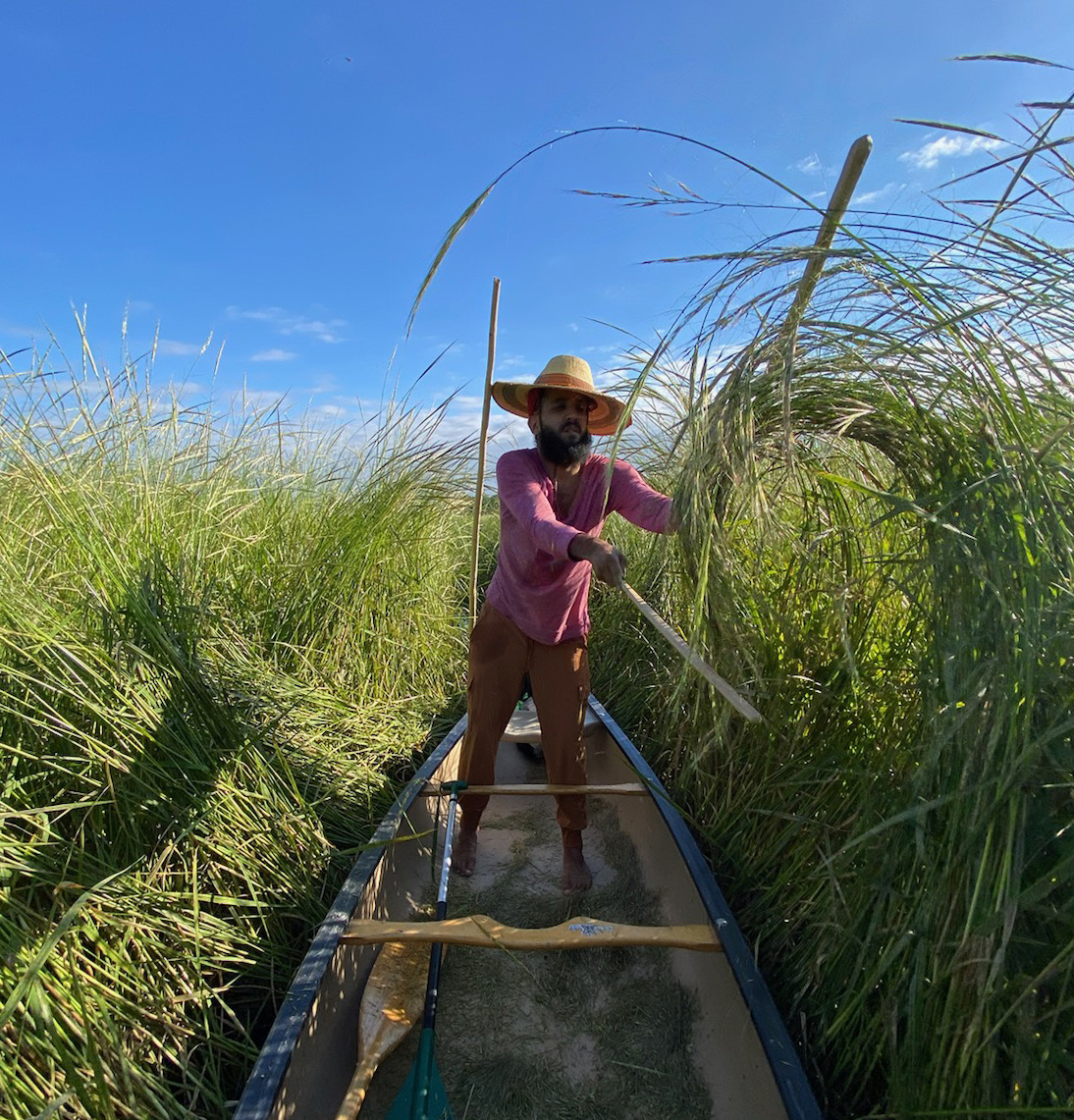
Since 2017, the Michigan Wild Rice Initiative has brought together managers, specialists, knowledge holders, and academics to protect, preserve, and restore Manoomin and the culture surrounding it. MWRI is co-chaired by a state and a Tribal representative and is led by the Anishinaabe people who have carried this responsibility for generations.
For generations before MWRI was formalized, Anishinaabe relatives were advocating for the State of Michigan to protect Manoomin beds and aid in their restoration and revitalization. MWRI emerged to give coordinated structure to this advocacy — channeling the knowledge, relationships, and urgency that already existed into a collaborative framework capable of influencing policy, restoring habitat, and educating the next generation.
A landmark moment came in November 2023, when — after years of Anishinaabe advocacy — the State of Michigan designated Manoomin as the official native grain of the state under Public Act 247. Michigan became the first state in the nation to recognize both Zizania palustris and Z. aquatica as forms of the same cultural being, balancing Anishinaabe and Western ways of knowing. The recognition took effect in February 2024.
MWRI draws members from Tribal nations, state and federal agencies, conservation NGOs, colleges, and universities — reflecting the understanding that protecting Manoomin requires collaboration across many knowledge systems and institutions.
2017 Year Founded
12 Anishinaabe Nations
2023 Public Act 247 Signed