Living Documents
for Living Systems
Our guides gather community voices and ecological knowledge to offer paths forward for restoring Manoomin and growing this community.
A Living Document
The MWRI Stewardship Guides are intended as living documents — designed to grow and change as the community learns, as relationships deepen, and as restoration work progresses. They are free and open access, meant to be read, shared, discussed, and returned to over time.
Community-Authored
These guides were shaped through interviews, focus groups, and workshops with the MWRI and broader Manoomin community — not written by outsiders about the community.
Living Documents
Goals and objectives will change over time as they are accomplished or new priorities emerge. Readers are encouraged to return to these guides periodically.
Two Ways of Knowing
These guides deliberately braid Traditional Knowledge and Western ecological science together — not treating one as superior to the other, but as complementary paths toward the same shared future.
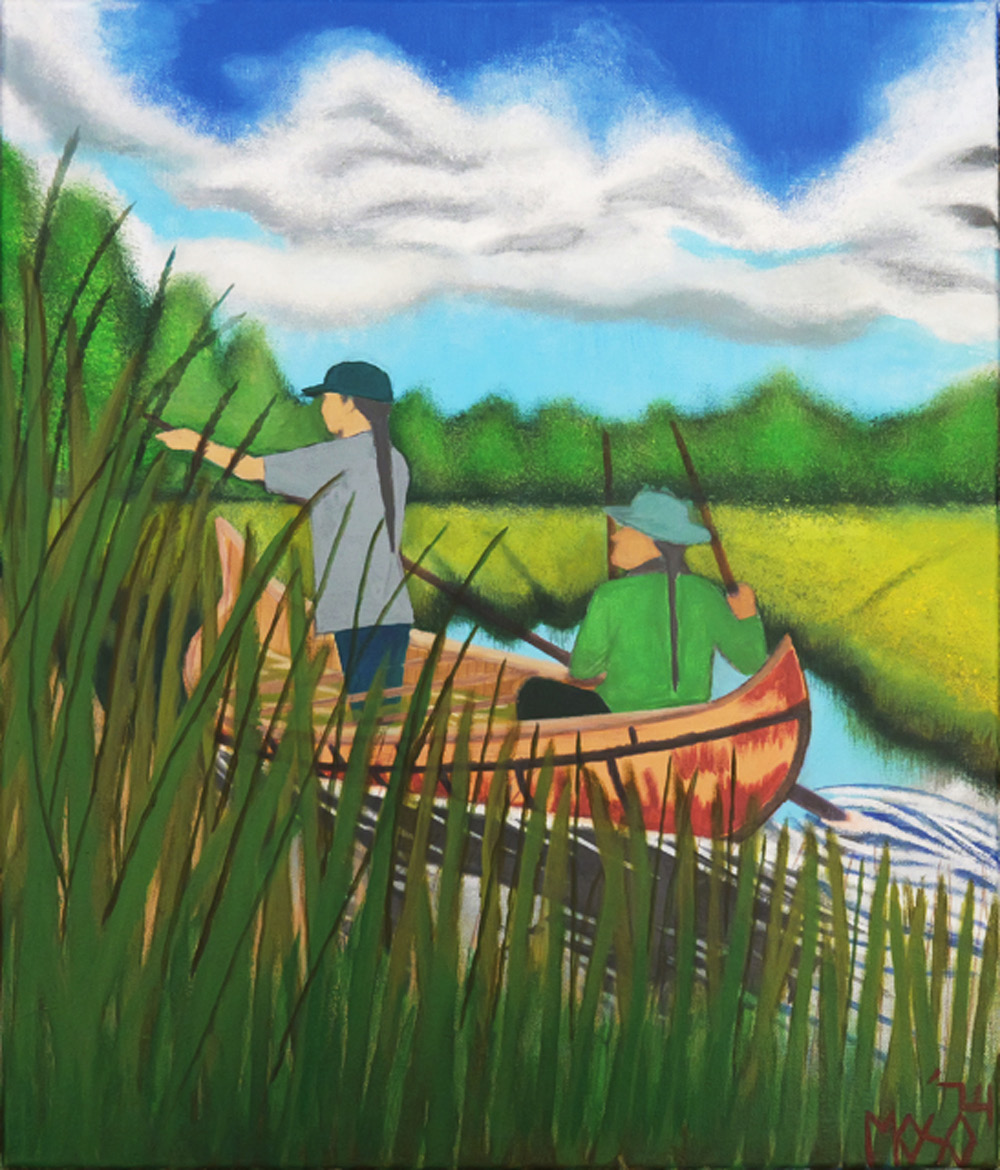
Manoomin–Anishinaabe Relationship
An exploration of the deep, reciprocal relationship between Manoomin and the Anishinaabe people across generations — a relationship of co-evolution, care, and mutual flourishing.
Guide 1 traces the history of Manoomin and the Anishinaabe people across three eras: Arrival and Interweaving, Growth and Stability, and Resistance and Revitalization. It draws on oral tradition, ecological knowledge, and the lived experience of community members to tell a story that is both ancient and urgently present.
This guide introduces readers to the Anishinaabe understanding of Manoomin as a sacred relative — they/them — and explains why this framing matters for how we approach restoration and protection work.
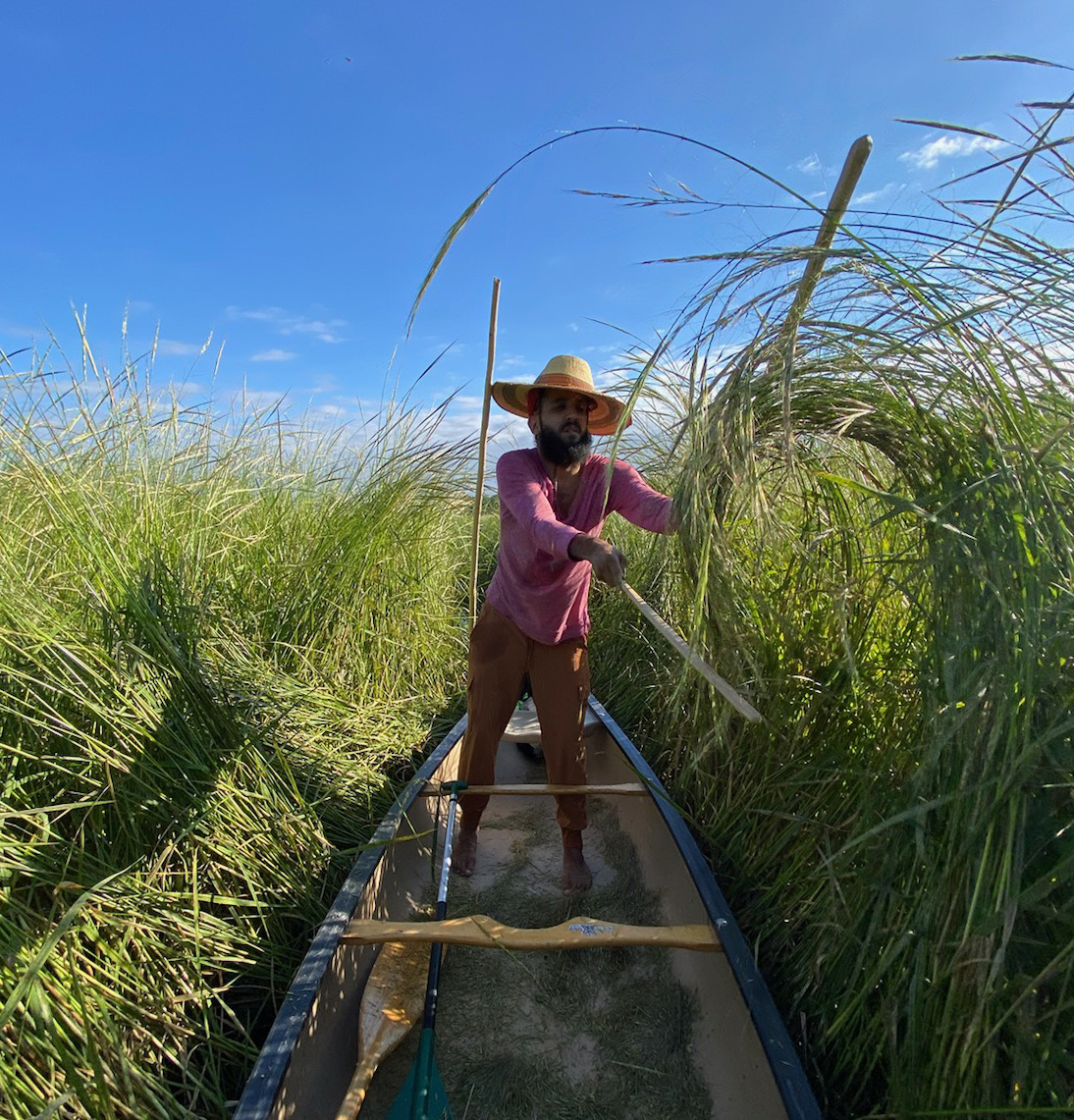
MWRI Goals & Objectives
The collaborative framework guiding MWRI's work — goals and objectives across four focus areas: Stewardship, Education & Outreach, Policy & Protection, and Monitoring & Restoration.
Guide 2 provides the strategic foundation for everything MWRI does. It identifies specific endpoints (goals) and the concrete steps to reach them (objectives) across each work area. Although presented as a list, these goals are not intended to be addressed sequentially — many must be advanced concurrently.
This guide is the most directly actionable of the three — it tells partners, agencies, and community members what MWRI is working toward and how they can contribute.
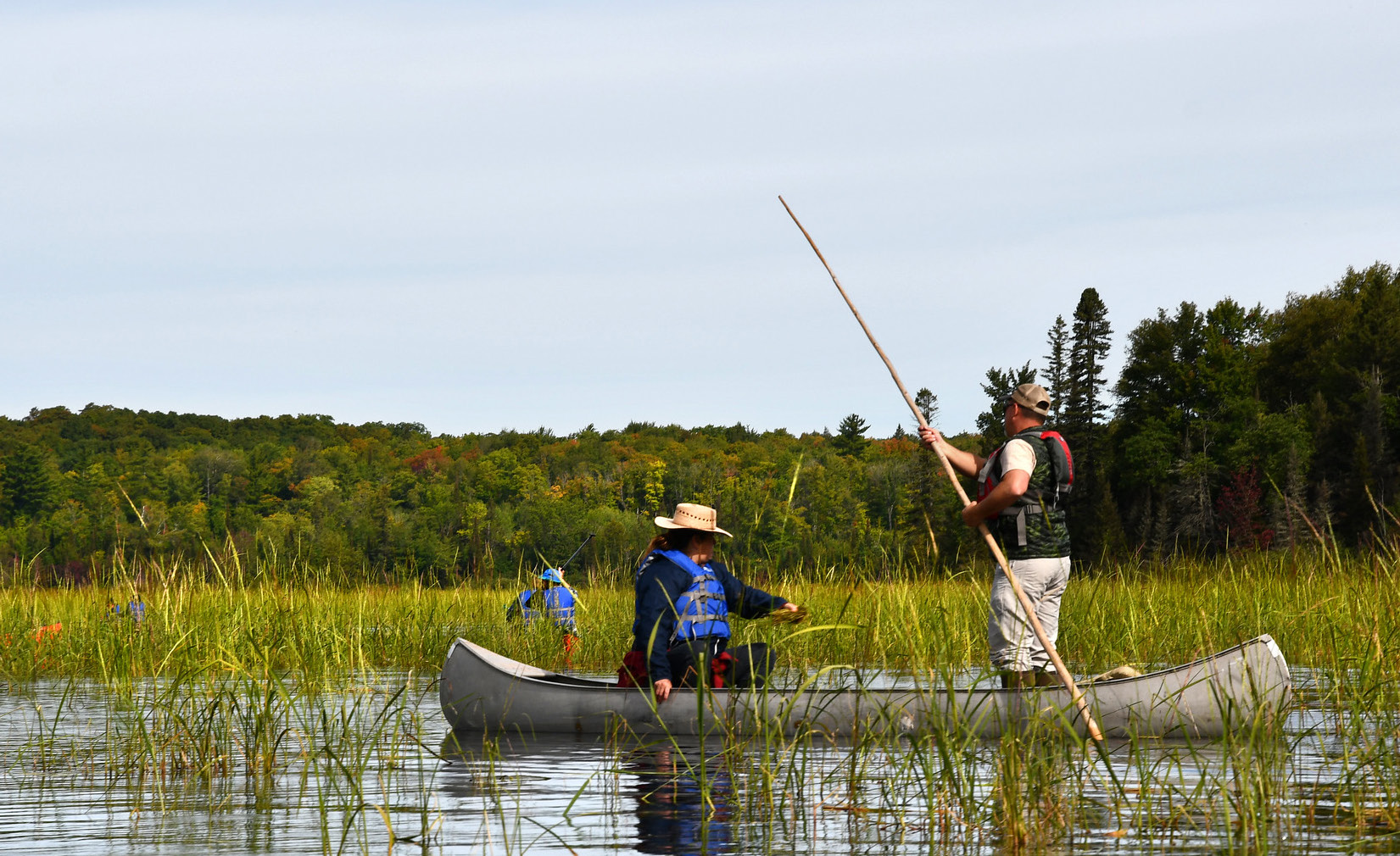
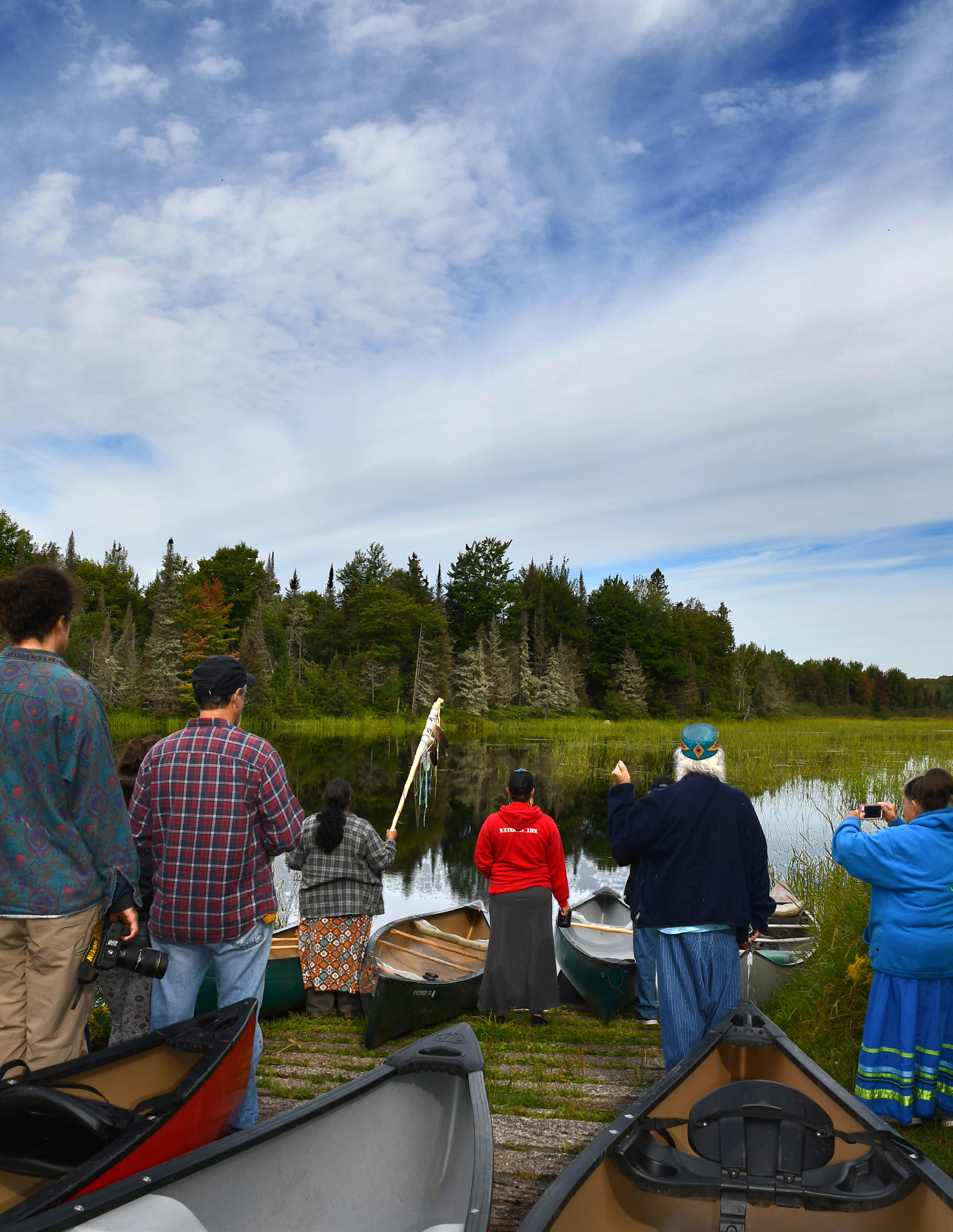
Working with Anishinaabe Nations in a Good Way
Guidance for non-Indigenous partners on respectful, reciprocal collaboration rooted in relationship — covering how to come together and walk a shared road with Anishinaabe nations.
Guide 3 addresses three core questions: How do we respect an alternative way of being? How do we come together in a good way? And how do we walk our shared road forward? It draws on the Seven Grandfather Teachings and the Medicine Wheel Framework as practical guides for relationship and conduct.
This guide is essential reading for state and federal agencies, universities, conservation organizations, and any non-Indigenous individual or institution seeking to work with Anishinaabe nations on Manoomin or any other shared concern.
"This guide is a gathering of perspectives and insights from various community voices, coming together to offer a path that is one way forward for restoring and expanding Manoomin and growing this community."