Manoomin is the official native grain of Michigan — Learn about Public Act 247 →

Person sitting in a canoe among the rice beds, looking out over calm water reflecting the treeline

A Sacred Relative,
Not a Commodity

Manoomin — wild rice — has nurtured the Anishinaabe people of the Great Lakes for countless generations. Understanding who Manoomin is begins with listening.

The Good Berry

Manoomin, the "good berry," is far more than a grain. They are a teacher of life, offering their gifts of seed to nurture many relatives — both human and non-human, resident and migratory — and sustaining the web of life.

Manoomin beds provide shelter for winged-ones, fish, and other non-human relatives. Because they are foundational for this biodiversity, Manoomin are a keystone species. For these reasons, Anishinaabe relatives view Manoomin as a sacred relative — and this website refers to them in the third person plural (they/them) to acknowledge their personhood.

Manoomin flourish in the lakes, rivers, and wetlands of Michigan's two peninsulas. They prefer shallow, slow-moving freshwater with soft, mucky bottoms — habitats that are also home to countless other non-human relatives. A healthy Manoomin bed is a thriving, interconnected community.

In November 2023, Manoomin became the official native grain of Michigan — the first such designation in the United States — a milestone achieved in part through MWRI's advocacy alongside the Anishinaabek Caucus.
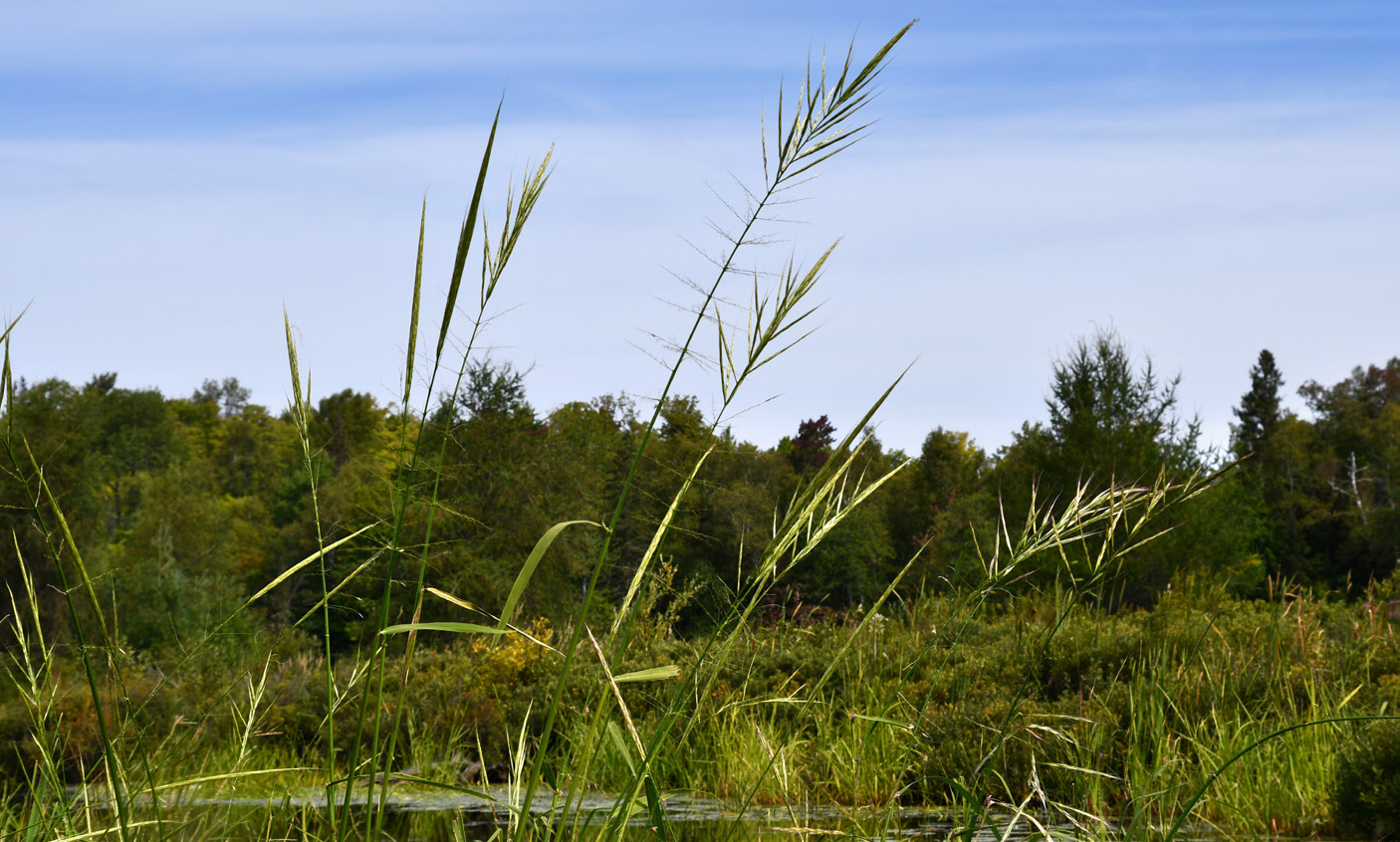
Tall Manoomin stalks rising above a wetland lake, with forest and blue sky in the background
Manoomin growing in a Michigan wetland. Credit: Todd Marsee, Michigan Sea Grant

"Manoomin/Mnoomin/Mnomen is a sacred relative. We seek a shared future where they are restored and flourishing in all ecosystems across the state."

— MWRI Stewardship Guide, 2025
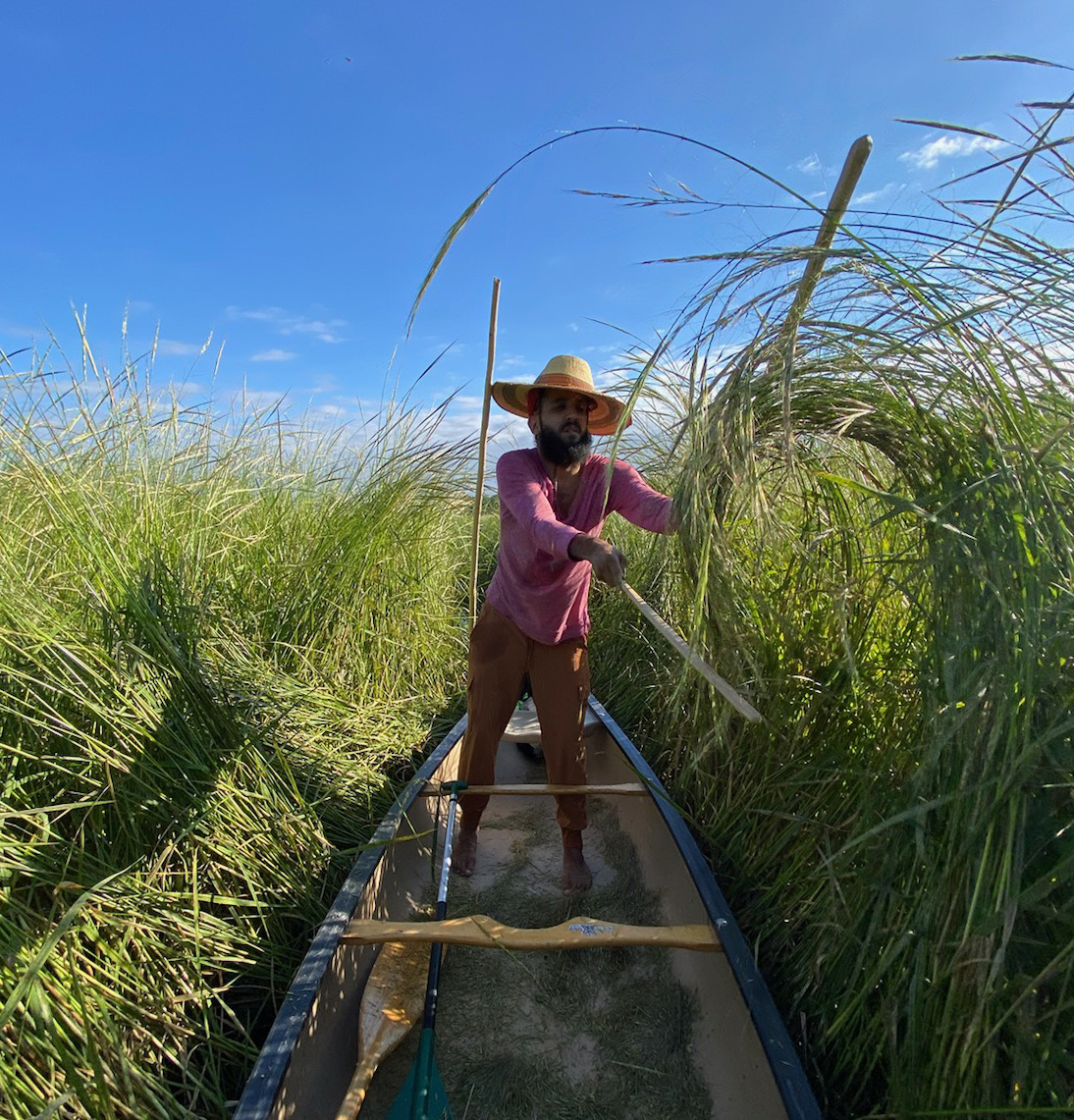
Antoine Cozine harvesting Manoomin in a canoe through tall wild rice stalks
Antoine Cozine harvesting Manoomin. Credit: Todd Marsee, Michigan Sea Grant

A Relationship Across Generations

For the Ojibwe, Odawa, and Bodéwadmi nations of the Anishinaabe people, Manoomin is a cultural and ecological keystone — and a living symbol of sovereignty and resilience.

Manoomin seed provided crucial calories to nurture social cohesion and cultural flourishing through Michigan's winters. Access to Manoomin enabled the Anishinaabe people to thrive and establish a lasting presence across the Great Lakes region.

Both Manoomin and the Anishinaabe people have been supported and grown with one another, side by side. While facing colonization and attempted erasure, the Anishinaabe people persisted thanks, in part, to the gifts of Manoomin. The close relationship between Manoomin and the Anishinaabe people empowered both to resist, survive, and resurge.

Today, many Anishinaabe communities dedicate themselves to remembering, healing, and strengthening connections with their ancestral homelands, waters, and non-human relatives. Manoomin is central to this renewal.

Read Guide 1: Manoomin–Anishinaabe Relationship

Manoomin Through the Seasons

Manoomin follow an annual cycle of growth, harvest, and renewal — each phase interwoven with Anishinaabe cultural practice and ecological knowledge.

Spring

Seeds germinate in shallow water. Floating leaves appear at the surface, beginning the growing season as waters warm.

Summer

Stalks rise above the waterline. Manoomin flower and begin producing grain through the long days of the Great Lakes summer.

Harvest

Late summer through early fall. Harvested from canoes using traditional knocking sticks — a practice carried forward across generations.

Return

Seeds that fall to the lake bottom overwinter and germinate the following spring, continuing the cycle of renewal and relationship.

What Threatens Their Future

Manoomin face a convergence of threats — ecological, legal, and cultural — that have reduced their abundance across Michigan over the past century.

Careless Destruction & Negligent Harvest

Boat traffic, inappropriate harvesting equipment, and harvesting outside of sanctioned windows all damage Manoomin beds, reducing their ability to regenerate.

Disrupting Community Balance

Non-native species, carp, and aquatic invasives disrupt the delicate community of non-human relatives that Manoomin depend on — upsetting balance in the web of life.

Landscape Changes

Shoreline development, altered water levels, and changes to land use in watersheds that feed Michigan's lakes and rivers affect the habitat conditions Manoomin require.

The World Is Changing

Climate change is shifting water temperatures, altering precipitation patterns, and increasing the frequency of extreme weather — all of which affect where and how well Manoomin can grow.

What We Are Working Toward

MWRI pursues Manoomin restoration through three interconnected areas of work. Each subcommittee carries its own goals, together forming a shared roadmap for the Initiative.

Education & Outreach Goals

Develop and deliver culturally grounded Manoomin education for schools, agencies, and the public; train the next generation of rice camp leaders; and build widespread appreciation for Manoomin's ecological and cultural roles.

Education & Outreach →

Monitoring & Restoration Goals

Establish a coordinated, tribally led monitoring network across Michigan's Manoomin waters; develop shared restoration protocols; and build a data infrastructure that respects Tribal data sovereignty.

Monitoring & Restoration →

View Full Goals & Objectives (Guide 2) →

Just standing out in the [lake] and thinking about what's possible and what does that annual celebration and community gathering look like in the future out there. Wouldn't it be cool if rice camps were just a thing? I'm off this week, we're ricing.

— MWRI Team Member
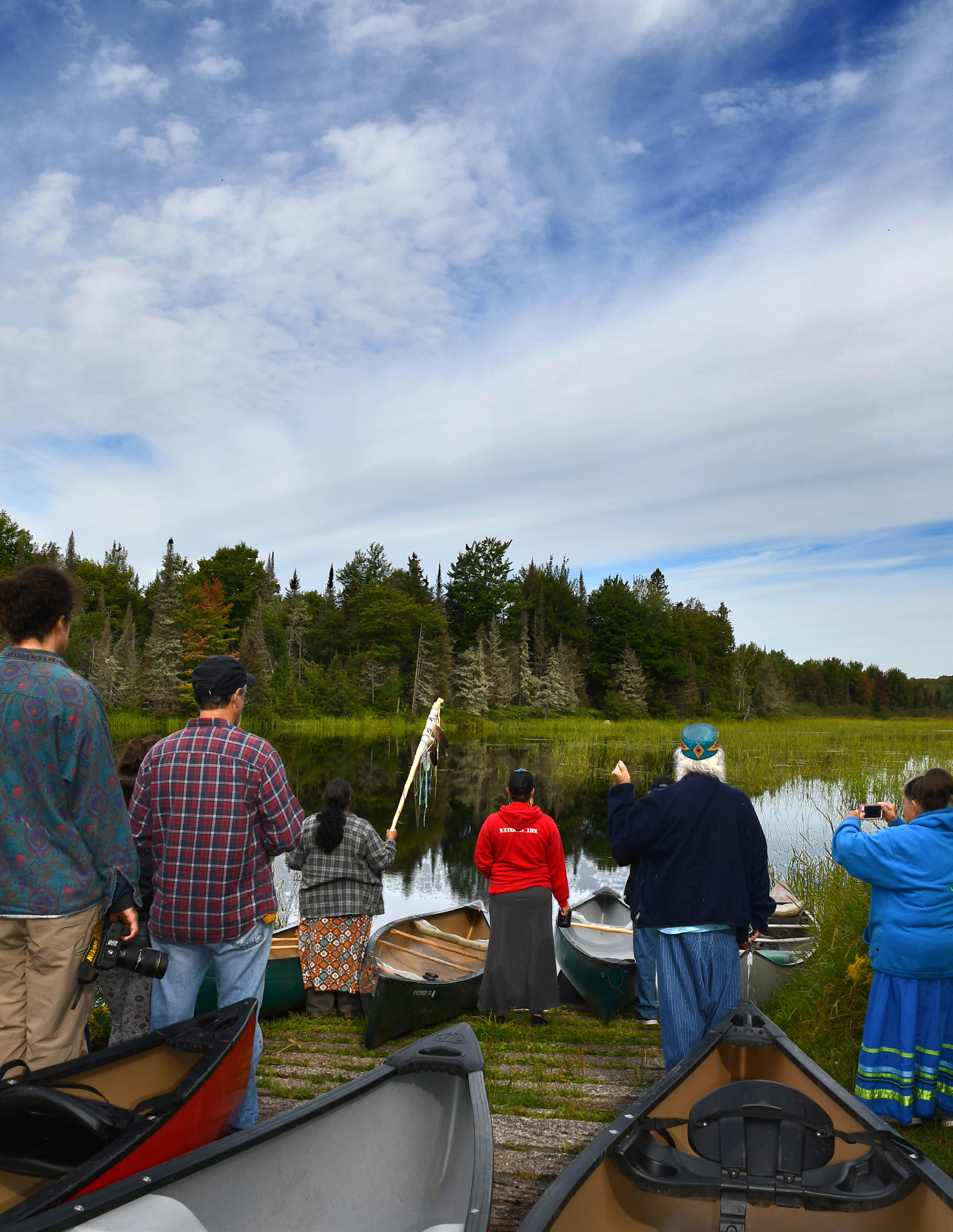
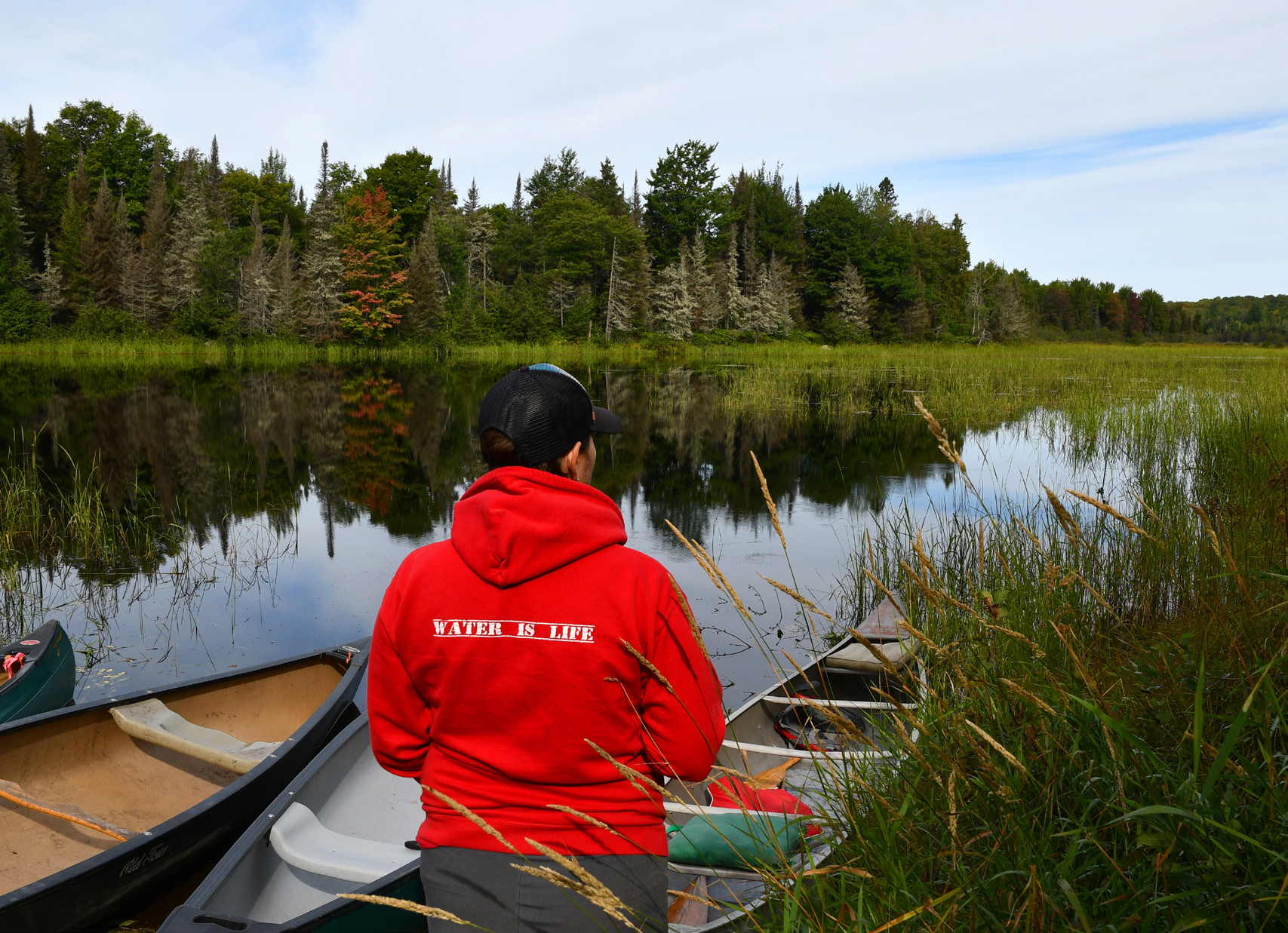
Community members at the water's edge with canoes on a wild rice lake in Michigan

Our Shared Future with Manoomin

We seek a shared future where Manoomin are restored and flourishing in all ecosystems across the state — where there are environmental and social conditions to protect, support, and enhance thriving communities.

  • Manoomin fulfill their spiritual, cultural, and ecological roles across regional ecosystems
  • All Indigenous People are able to harvest Manoomin sustainably in a traditional, good way
  • Manoomin are not defined or treated as an agricultural commodity for industrial cultivation

See How MWRI Acts on This Knowledge

The Michigan Wild Rice Initiative pursues its mission through stewardship, education, policy, and monitoring work — bringing together Tribal nations, state agencies, and communities.

Explore Our Work