Education & Outreach
Spreading awareness of Manoomin's cultural and ecological importance, fostering relationships between Indigenous and non-Indigenous communities, and building shared understanding across Michigan.
Explore Education →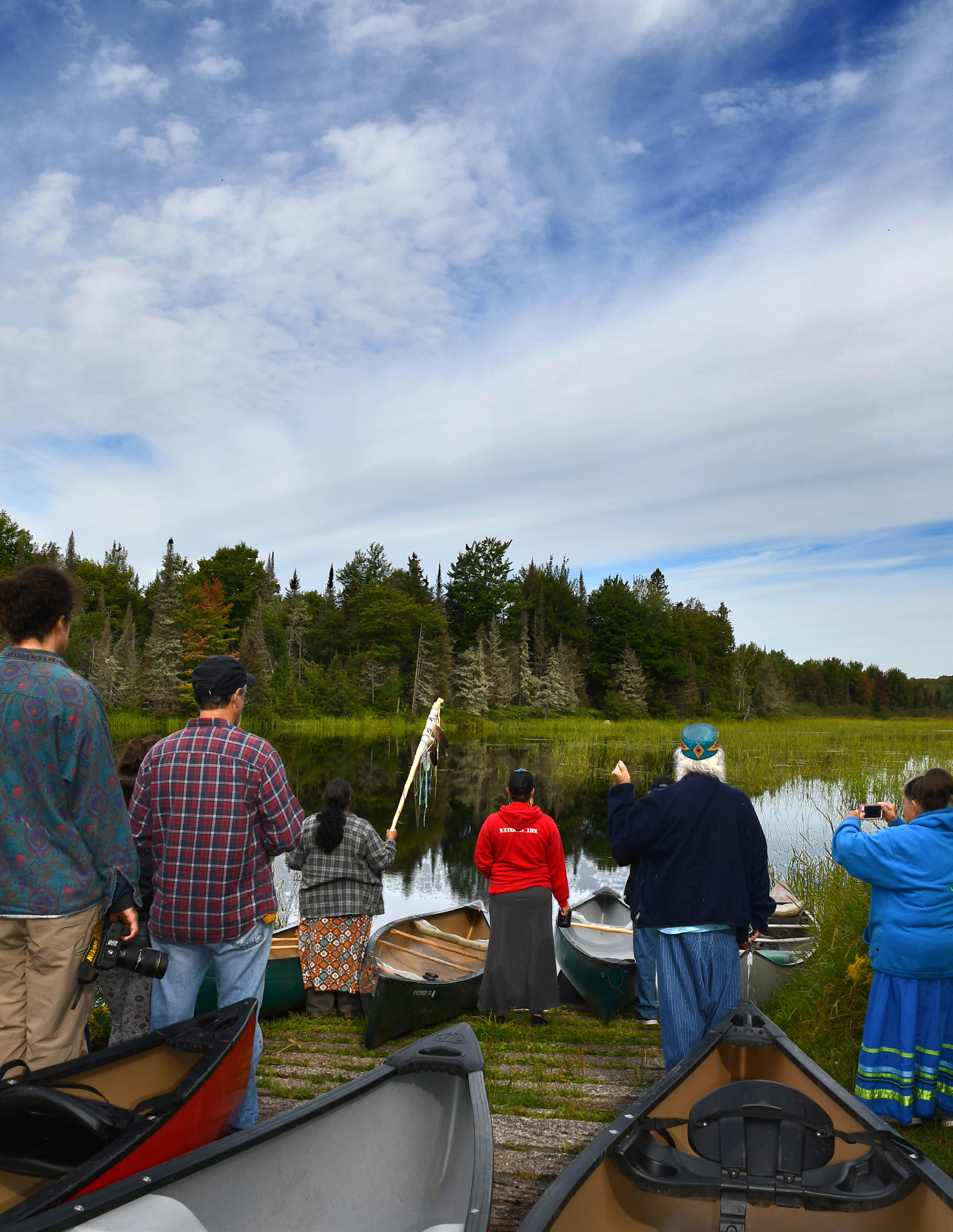
A collaboration between Michigan's twelve federally recognized Anishinaabe nations and state agencies, working since 2017 to protect, preserve, and restore Manoomin — wild rice — for current and future generations.
"Manoomin/Mnoomin/Mnomen is a sacred relative. We seek a shared future where they are restored and flourishing in all ecosystems across the state."
The Michigan Wild Rice Initiative is a collaboration between the twelve federally recognized Anishinaabe nations that share geography with the state of Michigan, alongside several Michigan state agencies.
Since 2017, this group of managers, specialists, knowledge holders, and academics has worked together to protect, preserve, and restore Manoomin and the culture surrounding it. MWRI is led by the Anishinaabe people who have carried this responsibility for generations.
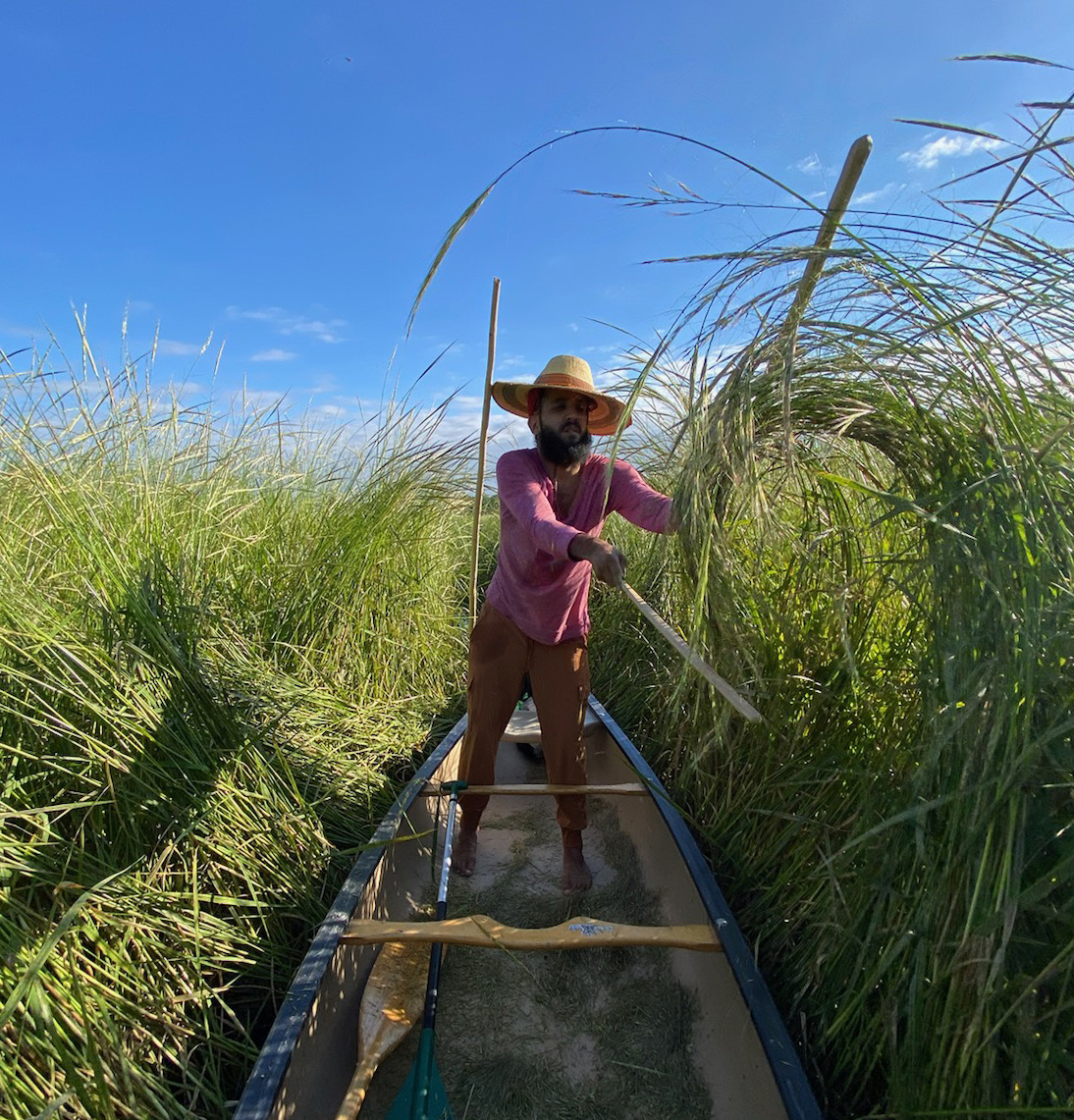
Manoomin — known in English as wild rice — is far more than a grain. For the Ojibwe, Odawa, and Bodéwadmi nations of the Anishinaabe people, Manoomin is a sacred relative, a cultural and ecological keystone, and a living symbol of sovereignty and resilience.
For countless generations, Manoomin has nurtured social cohesion, cultural flourishing, and sustenance through Michigan's winters. Access to Manoomin enabled the Anishinaabe people to thrive and establish a lasting presence across the Great Lakes region.
In November 2023, Manoomin became the official native grain of Michigan — the first such designation in the United States — a milestone achieved in part through MWRI's advocacy alongside the Anishinaabek Caucus.
Read the full story →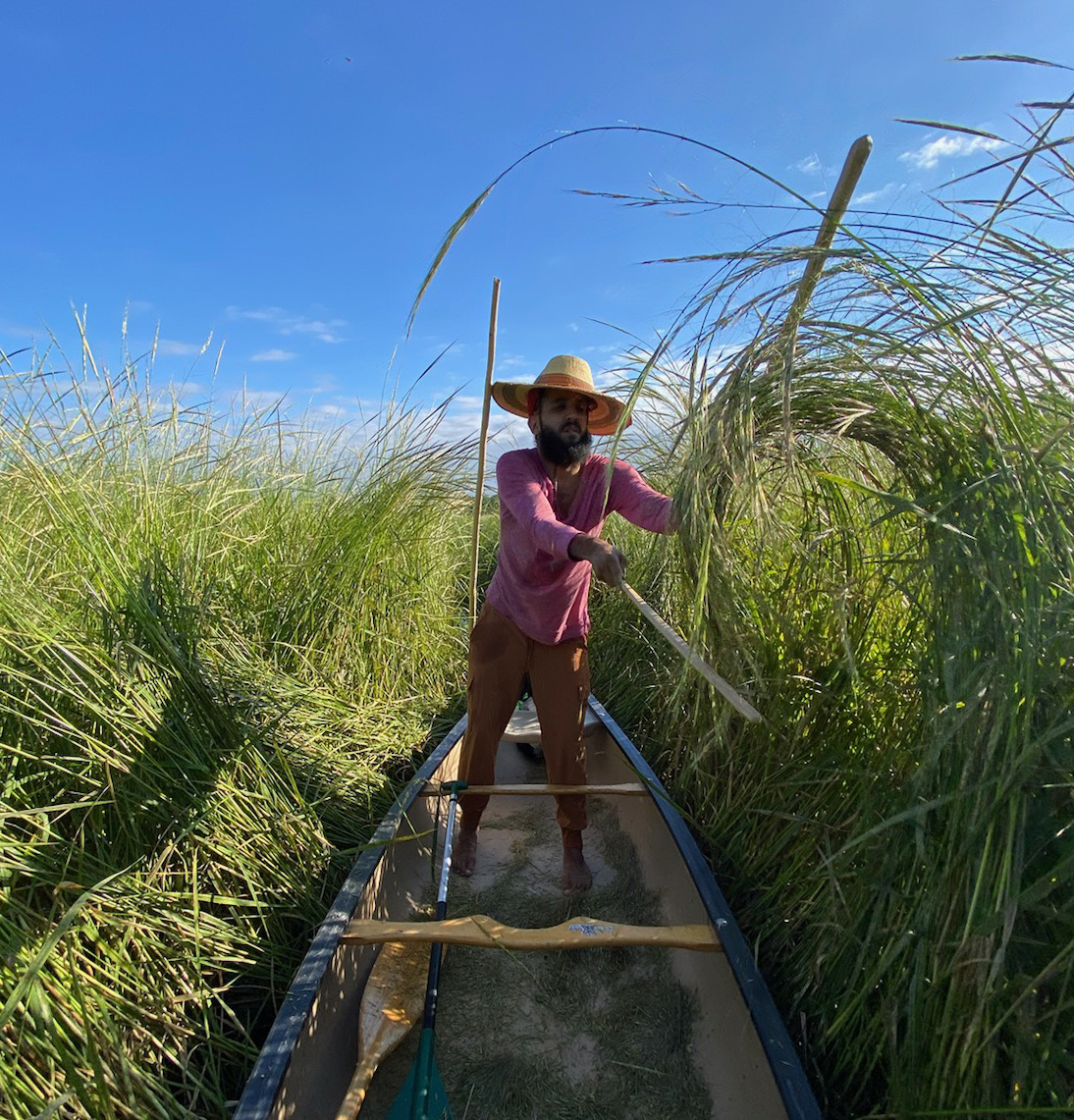
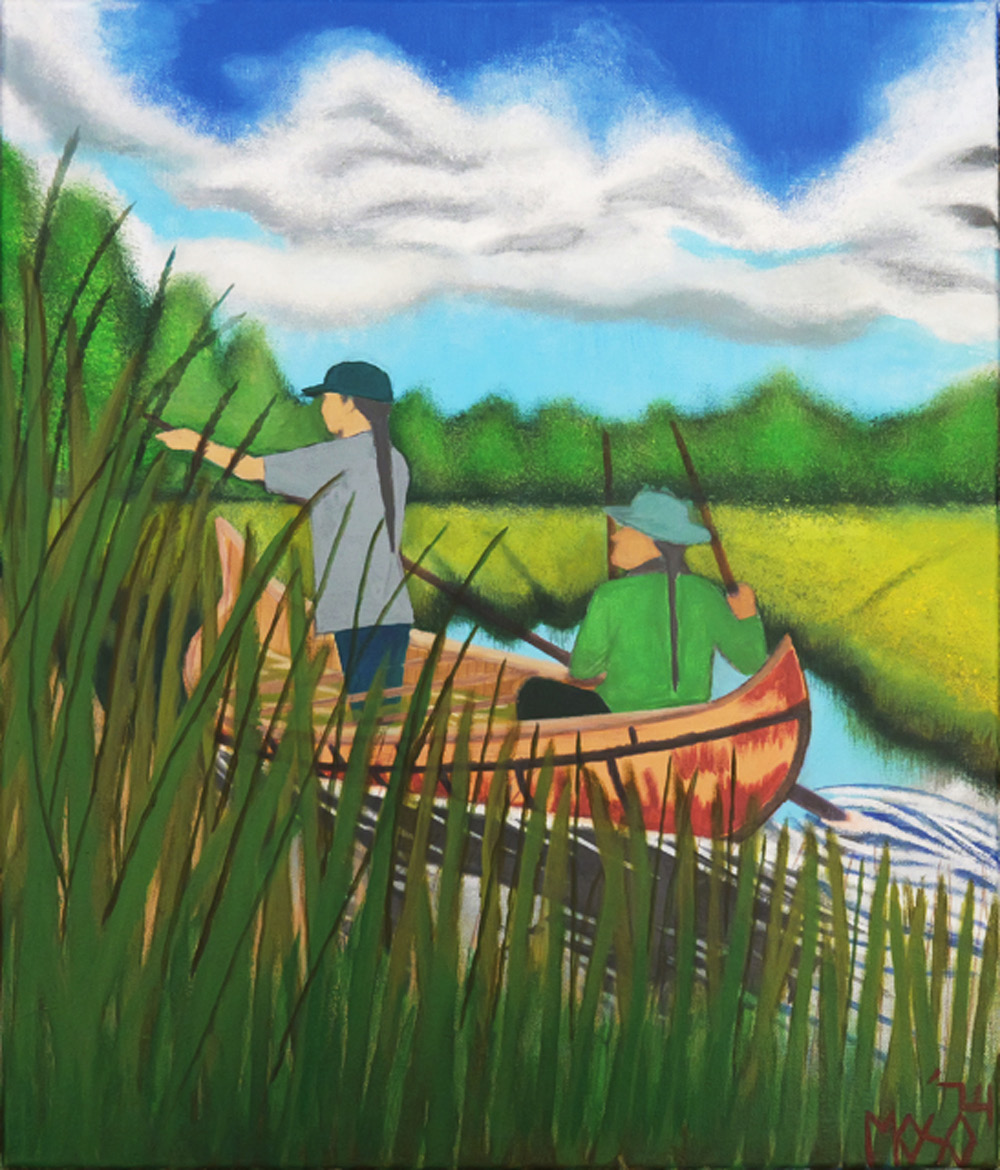
The Michigan Wild Rice Initiative pursues its mission through three subcommittees, bringing together Tribal governments, state agencies, knowledge holders, and communities.
Spreading awareness of Manoomin's cultural and ecological importance, fostering relationships between Indigenous and non-Indigenous communities, and building shared understanding across Michigan.
Explore Education →Ensuring recognition of Manoomin's importance among non-Indigenous communities and institutions, upholding Treaty rights, and working with federal, state, and local governments to protect Manoomin habitats.
Explore Policy →Coordinating scientific and Traditional Knowledge-based monitoring of Manoomin across Michigan's waters, developing shared restoration protocols, and building data infrastructure that respects Tribal data sovereignty.
Explore Monitoring → Our guides gather community voices and ecological knowledge to offer paths forward for restoring Manoomin and growing this community.
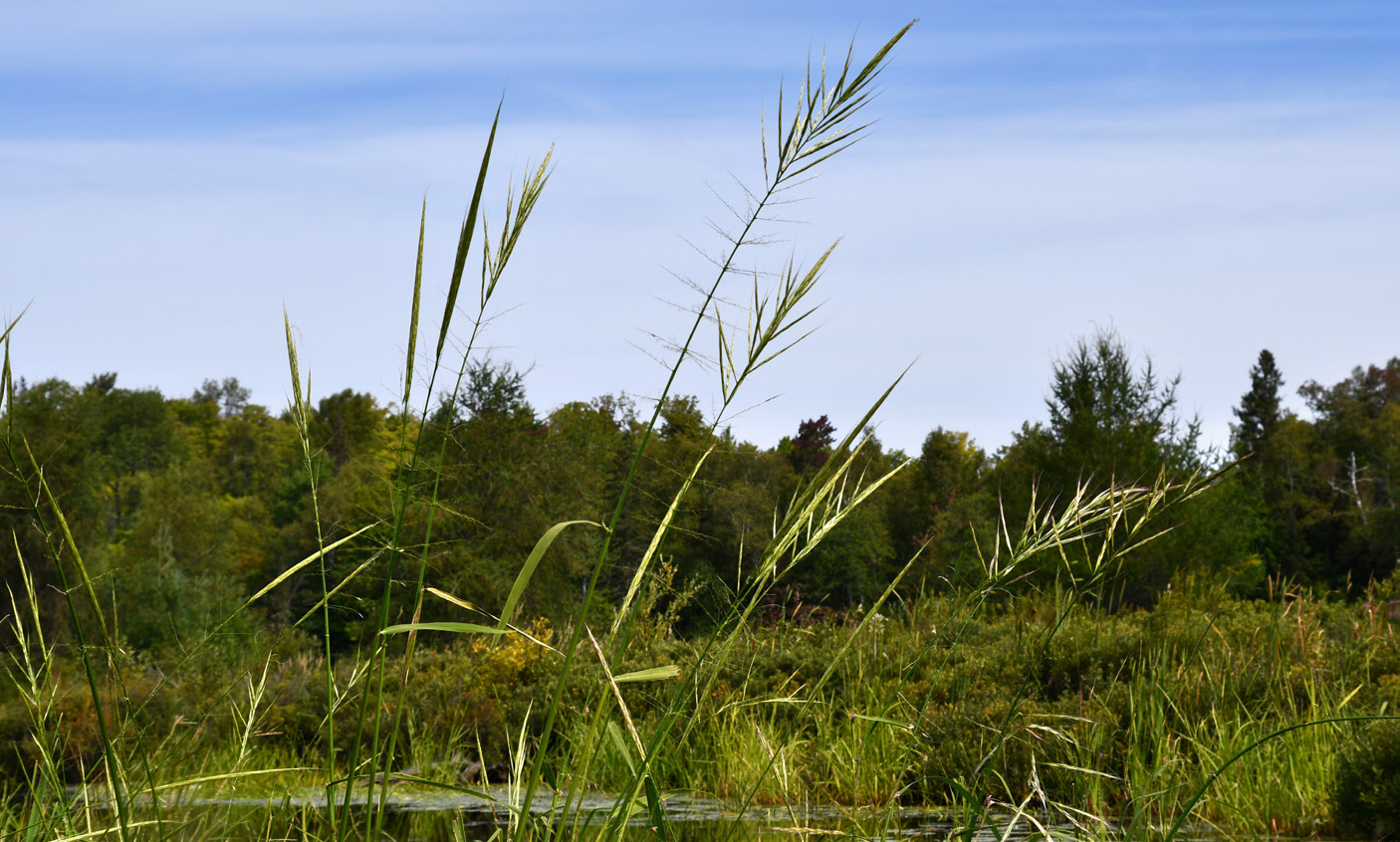
The deep, reciprocal connection between Manoomin and the Anishinaabe people across generations.
View Guide →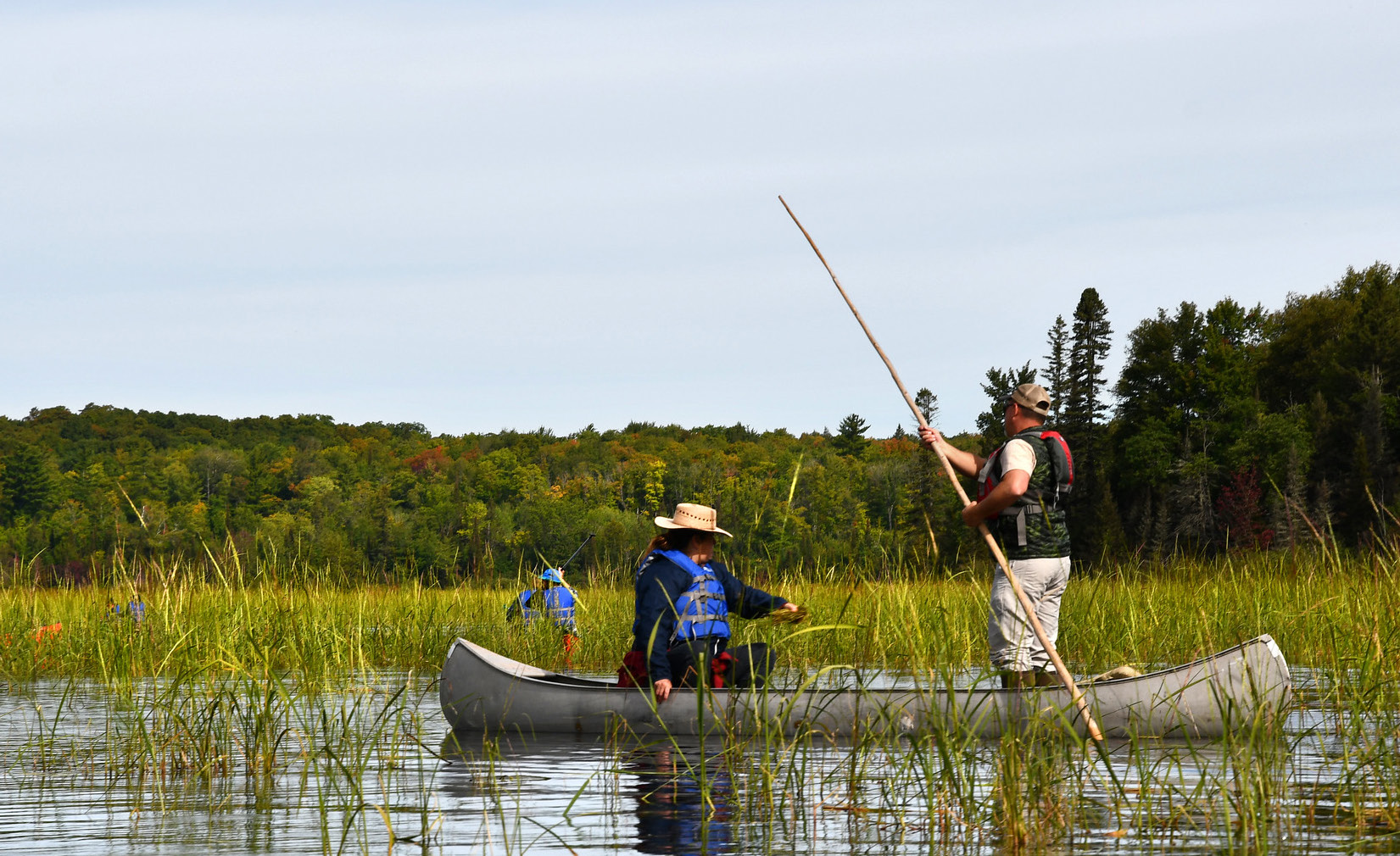
Our collaborative framework for education, stewardship, and policy work toward a shared future with Manoomin.
View Guide → Guidance for non-Indigenous partners on respectful, reciprocal collaboration rooted in relationship.
View Guide →Just standing out in the [lake] and thinking about what's possible and what does that annual celebration and community gathering look like in the future out there. And how does that fit into the regular seasonal activities? I mean, many people sugar bush. Wouldn't it be cool if rice camps were just a thing? I’m off this week, we’re ricing.
Join the community for a traditional gathering on the water. Learn harvesting practices, share meals, and strengthen connection with Manoomin.
Event Details →MWRI shares the story behind the first edition of We All Live Together in a Good Way with Manoomin — what it took, who shaped it, and where we go from here.
Read More →Public Act 247 designates Manoomin as the official native grain of Michigan — the first such designation for any U.S. state. Michigan Advance
Read the Article →Whether you are Anishinaabe or a newcomer to this place, there are meaningful ways to participate in the restoration of Manoomin.
Participate in educational gatherings, information sessions, and community events across Michigan.
View Calendar →Download our Stewardship Guide and share it with your community, colleagues, and decision-makers.
Get the Guide →State agencies, universities, and nonprofits are welcome to collaborate with MWRI on restoration and research.
Contact Us →MWRI members can access meeting documents, working reports, and in-progress data through our secure portal.
Sign In →